A No-Spend Challenge That Doesn’t Make You Miserable
Here’s what most no-spend challenges get wrong: they treat your wallet like a faucet you can just turn off. Stop spending, save money, problem solved. But if you’ve ever tried going cold turkey on all non-essential purchases, you know it usually ends one of two ways – you either white-knuckle through it and binge-spend the moment it’s over, or you quit by day four because your kid needs new shoes and you forgot to account for that.
A no-spend challenge doesn’t have to feel like a punishment. Done right, it’s actually one of the most eye-opening things you can do for your finances. Not because of the money you save during the challenge itself, but because of what you learn about your own spending habits in the process.
I’ve done a few of these over the years – some that went well, some that crashed and burned spectacularly. This is the version that actually works.
Key Takeaways:
- It’s a reset, not a punishment. A good no-spend challenge helps you spot the spending habits you didn’t know you had. The goal is awareness, not deprivation.
- Rules matter more than willpower. Setting clear ground rules before you start is what keeps the challenge realistic and doable. Vague rules lead to vague results.
- The real payoff comes after. The money you save during the challenge is nice. The spending habits you change afterward are worth far more.
What Exactly Is a No-Spend Challenge?
A no-spend challenge is a set period of time – usually a week or a month – where you stop spending money on anything that isn’t essential. You still pay your rent, buy groceries, fill up the car, and cover your bills. What you don’t do is buy the stuff that falls outside of those basics.
That means no takeout. No impulse Amazon orders at 11pm. No “treat yourself” coffee runs. No new clothes unless something literally falls apart. For a defined stretch of time, you only spend on what you genuinely need.
The concept went viral on TikTok during No Spend January in 2024, but the idea has been around much longer than that. What’s changed is how people approach it. The old version was basically a spending fast – extreme, rigid, and often unsustainable. The better version, and the one I’m going to walk you through, is more like a spending audit with guardrails.
Why Would Anyone Voluntarily Do This?
Because most of us have no idea how much we spend on autopilot. According to a 2023 Slickdeals survey, the average American spends around $150 per month on impulse purchases alone. That’s $1,800 a year on things you didn’t plan to buy and probably don’t remember buying.
A no-spend challenge forces you to notice that stuff. Every time you reach for your phone to order something, or start browsing a store out of boredom, you catch yourself. And those moments of catching yourself are where the real value is.
It’s also a surprisingly good confidence booster. Finishing even a one-week challenge proves to yourself that you can control your spending when you decide to. For a lot of people, that feeling alone is worth more than the money saved.
How Long Should Your Challenge Last?
Start with a week. Seriously. A full no-spend month sounds impressive, but if you’ve never done this before, jumping straight to 30 days is a recipe for frustration. A week is long enough to feel the friction but short enough that the end is always in sight.
Here’s a quick comparison to help you decide:
| Duration | Best for | What you’ll learn |
|---|---|---|
| 1 weekend | Total beginners, testing the waters | How much you spend on weekends without thinking |
| 1 week | Most people starting out | Your daily spending triggers and comfort purchases |
| 2 weeks | People who’ve done a week before | Deeper patterns, like mid-week stress spending |
| 1 month | Experienced budgeters wanting a reset | A full picture of your non-essential spending habits |
Once you’ve done a successful week, you can always extend it. But getting a win under your belt first makes a huge difference for motivation.
Setting Ground Rules That Actually Make Sense
This is the part that separates a useful challenge from a miserable one. Your rules need to be clear, specific, and realistic. Vague rules like “spend less” don’t work. You need to know exactly what counts and what doesn’t before day one.
Here’s a framework that works well:
Always allowed (essentials)
- Rent or mortgage
- Utilities and phone bill
- Groceries (but from a list, not impulse grabs)
- Gas or public transportation
- Medications and medical expenses
- Minimum debt payments
- Insurance
- Childcare
Not allowed (non-essentials)
- Eating out or ordering delivery
- Coffee shops
- Online shopping (clothes, gadgets, home stuff)
- Subscription boxes or new app signups
- Entertainment that costs money (cinema, events, paid streaming you don’t already have)
- Alcohol (optional, but it’s a big spend for a lot of households)
- Convenience purchases (the stuff you buy because you didn’t plan ahead)
The gray area
This is where it gets personal. Some people include a small allowance for social spending – say, $20 for the week – because completely isolating yourself from friends isn’t the point. Others allow one planned treat, like a Friday takeout with the family, to keep things from feeling bleak.
I’d say this: if cutting something out entirely would make you resent the whole challenge, build in a small exception. The goal is to finish the challenge and learn something, not to prove you can suffer.
How to Prepare Before You Start
Don’t just wake up on a Monday and declare it a no-spend week. A little bit of preparation makes a massive difference.
Check your calendar. If you’ve got a birthday dinner, a work event, or a weekend trip already planned, pick a different week. You don’t want to set yourself up for conflict on day two.
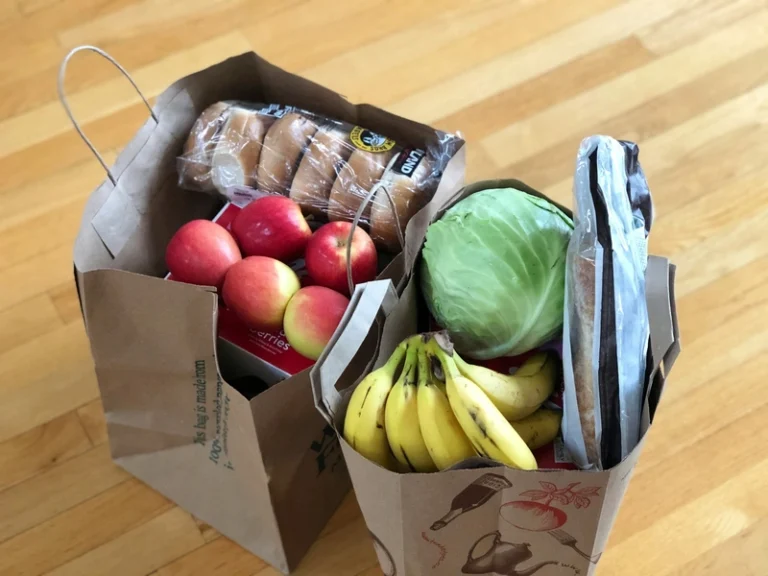
Do a proper grocery shop first. Stock your fridge and pantry before the challenge starts. Meal plan for the week so you’re not tempted to order food because there’s nothing in the house. This one step alone removes the biggest source of unplanned spending for most families.
Tell someone. Your partner, a friend, anyone. Saying it out loud makes it real and adds a bit of accountability. If you’re doing this with a partner, get on the same page about the rules beforehand – not halfway through when someone comes home with a shopping bag.
Unsubscribe or mute. Marketing emails, shopping apps, Instagram ads – they’re all designed to make you spend. Mute notifications from retail apps for the duration. Unsubscribe from promotional emails. Remove the temptation before it starts.
Have a plan for boredom. A lot of non-essential spending happens because you’re bored, not because you need something. Think about what you’ll do instead – go for a walk, cook something new, read a book you already own, have people over instead of going out.
What Happens During the Challenge
The first two days are usually easy. You feel motivated, maybe even a little smug. Day three or four is when it gets uncomfortable. You’ll notice the urge to buy things you normally wouldn’t think twice about – a snack at the gas station, a random household item you suddenly “need,” a round of drinks after work.
That discomfort is the whole point. Every time you notice an urge and choose not to act on it, you’re building a muscle. You’re also collecting data about your own habits. Keep a note on your phone of every time you almost spent money but didn’t. Write down what it was and what triggered it. Was it boredom? Stress? Habit? Social pressure?
By the end of the week, those notes are worth their weight in gold. They’ll show you exactly where your money leaks are – and most people are genuinely surprised by what they find.
What to Do When You Slip Up
You’ll probably break a rule at some point. Maybe you forgot your lunch and bought something, or a kid’s school sent home a last-minute request for supplies. That’s life.
The worst thing you can do is treat a slip-up as a failure and abandon the whole challenge. If you overspend by $8 on a Tuesday, that doesn’t erase the $60 you didn’t spend on Monday and Wednesday. Keep going.
Write down what happened, figure out if you could have avoided it, and move on. The challenge is about progress and awareness, not perfection.
What Comes After the Challenge
This is the part most articles skip, and it’s the part that matters most.
When the challenge ends, don’t immediately go back to spending as usual. Take 20 minutes to look at what you learned. Ask yourself:
- What did I miss the most? (This tells you what you genuinely value.)
- What did I not miss at all? (This tells you where you’ve been wasting money.)
- What spending was driven by habit rather than need?
- Where could I permanently reduce spending without feeling deprived?
According to the Federal Reserve’s 2024 SHED survey, only 51% of American adults spent less than their income in the month before the survey. A no-spend challenge won’t fix that overnight, but it gives you the clarity to start making permanent changes to get on the right side of that number.
The real win isn’t the $100 or $200 you saved during the challenge. It’s the $50 or $75 a month you stop wasting after it, for the rest of the year, because you finally noticed where it was going.
Quick-Start Checklist
If you’re ready to try this, here’s everything in one place:
- Pick your timeframe (start with one week)
- Choose your start date (check your calendar first)
- Write your rules – what’s allowed, what isn’t, and any exceptions
- Meal plan and do a full grocery shop before day one
- Mute shopping apps and unsubscribe from retail emails
- Tell someone what you’re doing
- Track every urge to spend during the challenge
- Review what you learned when it’s over
- Make one or two permanent changes based on what you discovered
That’s it. No apps, no spreadsheets, no complicated systems. Just a week of paying attention.
Frequently Asked Questions
How much money can you save with a no-spend challenge?
It depends on your current spending habits, but most people save between $100 and $300 during a one-week challenge. The bigger savings come afterward, when you use what you learned to permanently cut non-essential spending.
What counts as “essential” during a no-spend week?
Essentials are the expenses you need to live and work – housing, utilities, groceries, transportation, insurance, debt payments, medications, and childcare. Everything else is non-essential for the purposes of the challenge.
Can you do a no-spend challenge with kids?
Yes, and it’s actually a great teaching moment. Involve them by planning free activities together – park trips, board games, movie nights at home, baking. Kids adapt faster than you’d expect, and they often enjoy the creativity of it.
Is a no-spend month better than a no-spend week?
Not necessarily. A week is enough to reveal your spending patterns, and it’s far easier to complete successfully. A month works well for experienced budgeters, but starting with a week gives you a quick win and builds confidence for longer challenges.
What if my partner doesn’t want to do it?
Start by doing it yourself. You can only control your own spending, and leading by example often works better than trying to convince someone. If your partner sees you saving money and feeling good about it, they may want to try it too.