How to Save $500 a Month Without Feeling Like You’re Sacrificing Anything
You can absolutely save $500 a month without giving up everything you enjoy. The trick isn’t deprivation – it’s redirection. Instead of slashing your lifestyle to the bone, you rearrange where your money goes so that saving happens almost automatically, and your day-to-day barely changes.
Key Takeaways:
- Automate before you spend. Setting up automatic transfers on payday means you save first and spend what’s left, which removes willpower from the equation entirely.
- Small leaks add up fast. Most people lose $200+ a month to subscriptions, fees, and impulse purchases they don’t even notice.
- You don’t need a huge income. Saving $500 a month is about priorities, not salary. People earning $50k do it, and people earning $120k sometimes don’t.
Why Does $500 a Month Feel So Hard?

It feels hard because most people try to save whatever’s left over at the end of the month. And guess what? There’s never anything left over. That’s not a willpower problem. It’s a system problem.
According to the Bureau of Economic Analysis, the U.S. personal saving rate was just 3.6% as of December 2025. For someone earning $5,000 a month after taxes, that’s only $180 in savings. Getting to $500 means you need a better approach than “spend less and hope for the best.”
What Should You Do First?
Pay yourself first. Seriously, this one change does more heavy lifting than any other tip combined.
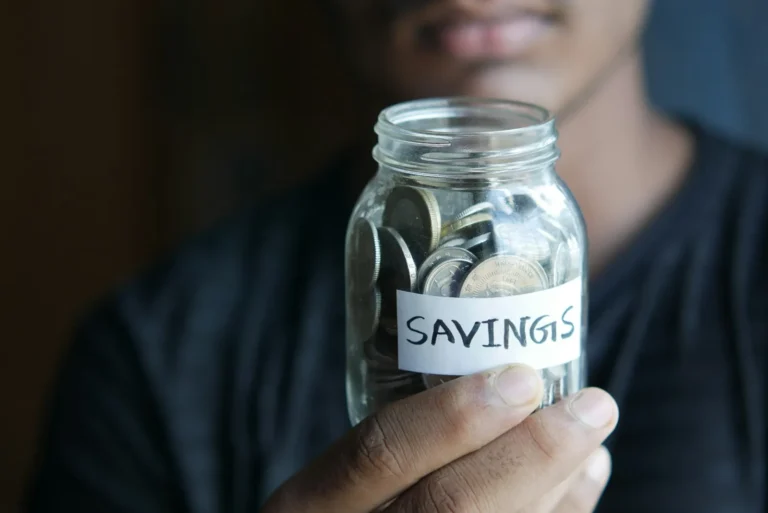
Set up an automatic transfer from your checking account to a separate savings account. Do it the day after payday. Start with whatever amount you can – even $100 – and increase it over time until you hit $500. The key is that the money leaves your account before you have a chance to spend it.
Open a high-yield savings account if you haven’t already. As of early 2026, many online banks offer rates between 4% and 5% APY. That’s real money on top of your savings, especially compared to the national average of around 0.4%.
Where Do You Find the Extra Money?
You probably don’t need to earn more. You need to plug the leaks. Here are the most common places $500 hides in a typical budget:
- Subscriptions you forgot about. Streaming services, apps, gym memberships, software trials that converted to paid plans. Pull up your bank statement and check. Most people find at least $50–$80 in subscriptions they don’t actively use.
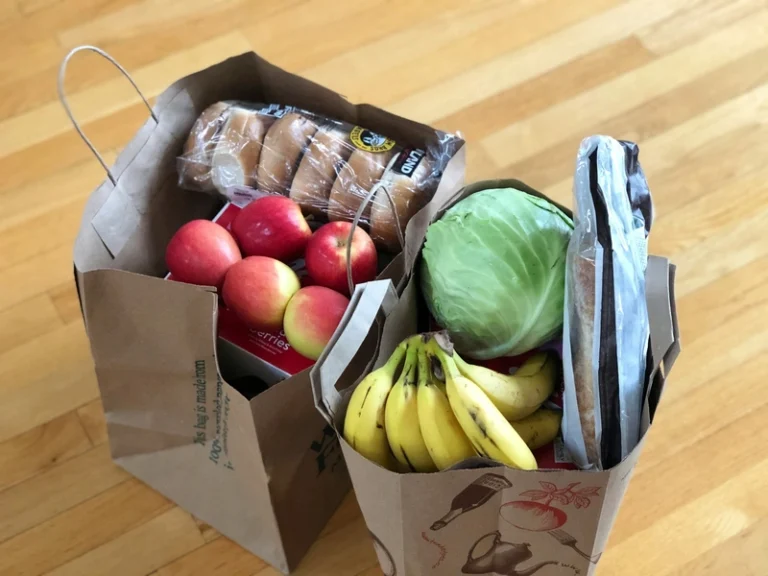
- Eating out and takeout. This isn’t about never eating out again. But cutting two takeout orders a week and cooking instead can easily save $150–$200 a month. Check out this post on how to save money on groceries without couponing for practical ideas.
- Impulse purchases. The 24-hour rule works surprisingly well. If you see something you want, wait a day. Half the time, you’ll forget about it. The other half, you’ll realize you didn’t actually need it.
- Bank fees and interest. Overdraft fees, late payment fees, credit card interest – these are all money going nowhere useful. Automate your bill payments and negotiate your credit card rate if it’s above 20%.
- The “convenience tax.” Buying bottled water instead of using a filter. Paying for parking when you could walk ten minutes. Grabbing coffee every morning instead of brewing at home. None of these are bad individually, but together they add up to hundreds a month.
If you want a full picture of where your money is actually going, take a look at this guide to sneaky expenses draining your bank account.
Can You Save $500 Without Budgeting?

Yes, but a loose budget helps. You don’t need a complicated spreadsheet with 47 categories. A simple framework works:
- Add up your fixed expenses (rent, utilities, insurance, minimums on debt)
- Subtract that plus $500 from your take-home pay
- Whatever’s left is your spending money for everything else
That’s it. You don’t need to track every coffee. You just need to know your number.
If you want to go deeper, here’s a straightforward guide on how to build a monthly budget that doesn’t take hours to maintain.
What If Your Income Is Too Low?
This is the honest truth: if your take-home pay barely covers your essential expenses, saving $500 a month might not be realistic right now. And that’s fine. Start with $50 or $100. The habit matters more than the number.
At the same time, look at your expenses with fresh eyes. Are there any fixed costs you could reduce? Can you switch phone plans, refinance a loan, or negotiate your rent? Sometimes one conversation or one switch can free up $100+ a month without changing your lifestyle at all.
Also consider whether there’s a way to earn an extra $200–$300 a month. A few hours of freelance work, selling things you no longer need, or picking up occasional gig work can close the gap faster than cutting expenses alone.
How Long Until You See Real Results?
At $500 a month, you’ll have $6,000 saved in a year. That’s a solid emergency fund for most people. In two years, you’re at $12,000 – enough for a down payment assist, a career change cushion, or a significant debt payoff.
And here’s what makes it feel less like a sacrifice: once the habit is automatic, you stop noticing the money is gone. Your spending adjusts to what’s available, and you start building wealth without thinking about it.
Saving $500 a month is one of those goals that sounds ambitious but becomes surprisingly normal once you set it up right. Start this week – even if you start with less – and let the system do the work for you.
FAQ
How much will I have after a year of saving $500 a month?
You’ll have $6,000 in pure savings. If you put that in a high-yield savings account earning around 4.5% APY, you’ll earn roughly $150 in interest on top of that over the course of a year.
Is $500 a month enough for an emergency fund?
For most people, yes. Financial experts generally recommend three to six months of essential expenses. At $500 a month, you can build a solid three-month fund in about 12 months, depending on your monthly costs.
Should I save $500 or pay off debt first?
If you have high-interest debt (above 8–10%), it usually makes more sense to split the $500 – put some toward debt and some toward a small emergency fund of $1,000–$2,000. Once the high-interest debt is gone, redirect everything to savings.
What’s the best account for saving $500 a month?
A high-yield savings account at an online bank is the best option for most people. Look for accounts with no monthly fees, no minimum balance requirements, and an APY above 4%. Ally, Marcus by Goldman Sachs, and Capital One 360 are popular choices.
Can couples save $500 a month together?
Absolutely. In fact, it’s often easier as a couple because you can split the goal – $250 each – or find shared expenses to cut. Having a partner who’s on board makes the whole process smoother and more sustainable.