How to Build an Emergency Fund When You’re Living Paycheck to Paycheck
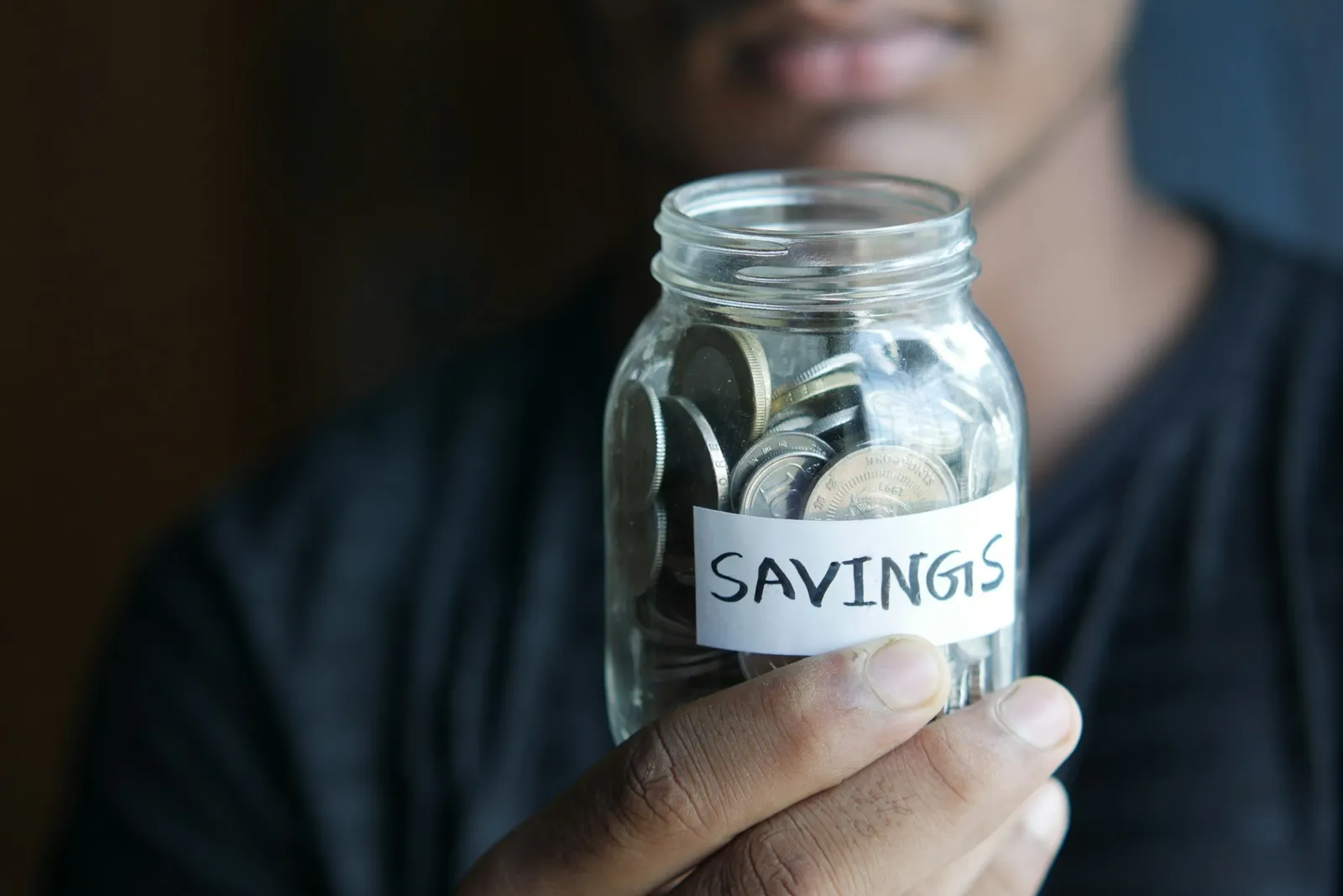
Building an emergency fund when you’re living paycheck to paycheck starts with finding even small amounts of money to set aside – $20, $50, whatever you can manage – and automating the process so it happens before you have a chance to spend it.
The target is three to six months of essential expenses, but the first real milestone is $1,000. Getting there changes everything.
If that feels impossible right now, you’re not alone. According to Bankrate’s 2025 Emergency Savings Report, nearly 1 in 4 Americans have no emergency savings at all. And 59% don’t have enough to cover a $1,000 surprise expense.
Those numbers are alarming, but they also show that struggling to save isn’t some personal failure – it’s a widespread problem driven by rising costs and stagnant wages.
This guide walks you through the whole process, step by step.
Key Takeaways:
- Start with $1,000, not three months of expenses. A smaller initial goal is less overwhelming and still protects you from the most common emergencies like car repairs, medical bills, and appliance breakdowns.
- Automate first, budget second. Moving money into savings the day after payday – even a small amount – works better than trying to save what’s “left over” at the end of the month, because there’s never anything left over.
- Cut one thing, redirect the savings. You don’t need a total lifestyle overhaul. Canceling one subscription, reducing one bill, or cooking one extra meal at home each week can free up enough to start building a cushion.
Why Does an Emergency Fund Matter So Much?

An emergency fund is a cash reserve that covers unexpected expenses – things like a car repair, a medical bill, a broken appliance, or a temporary job loss. Without one, any surprise expense becomes a crisis that gets paid for with credit cards, payday loans, or borrowed money from friends and family.
That’s not a theoretical problem. It’s what actually happens to millions of people every year. The Federal Reserve’s 2024 Survey of Household Economics found that 30% of adults couldn’t cover three months of expenses by any means – not savings, not borrowing, not selling assets. Nothing.
Emergency savings aren’t just about money. They’re about stress. Having even $500-$2,000 in a savings account changes how you sleep at night, how you react to unexpected bills, and how much mental energy you spend worrying about what might go wrong.
So let’s figure out how to get there.
How Much Do You Actually Need in Your Emergency Fund?
The standard advice is three to six months of essential expenses. Not three to six months of your current spending – essential expenses. That’s a big difference.
Essential expenses include:
- Rent or mortgage
- Utilities
- Groceries (not dining out)
- Transportation (gas, insurance, basic car costs)
- Insurance premiums
- Minimum debt payments
- Childcare (if applicable)
Add those up for one month, then multiply by three. That’s your minimum target. Six months is the stretch goal.
For most households, this works out to somewhere between $5,000 and $15,000. That’s a big number if you’re starting from zero, which is exactly why the first milestone should be much smaller.
Your first target: $1,000
A $1,000 emergency fund covers the most common financial surprises – a car repair, a vet bill, a minor medical expense, or a broken appliance. It won’t cover a job loss, but it prevents the most frequent emergencies from spiraling into debt.
Once you hit $1,000, keep going. But treat that first milestone as a win, because it is.
How Do You Find Money to Save When There’s Nothing Left?

This is the hardest part, and there’s no point pretending otherwise. When every dollar is spoken for, finding extra money to save feels like a fantasy.
But “nothing left” and “nothing I can redirect” aren’t always the same thing. Here are some practical ways to find savings even on a tight budget.
Audit your subscriptions and recurring charges
Pull up your bank statement from last month and highlight every recurring charge. Streaming services, app subscriptions, gym memberships, insurance premiums, phone plans – all of it.
Most people find at least one or two things they forgot about or don’t use enough to justify the cost. Canceling even $30 worth of subscriptions gives you $30 a month for your emergency fund. That’s $360 a year.
There’s a full post on sneaky expenses draining your bank account that walks through this in more detail.
Negotiate your bills
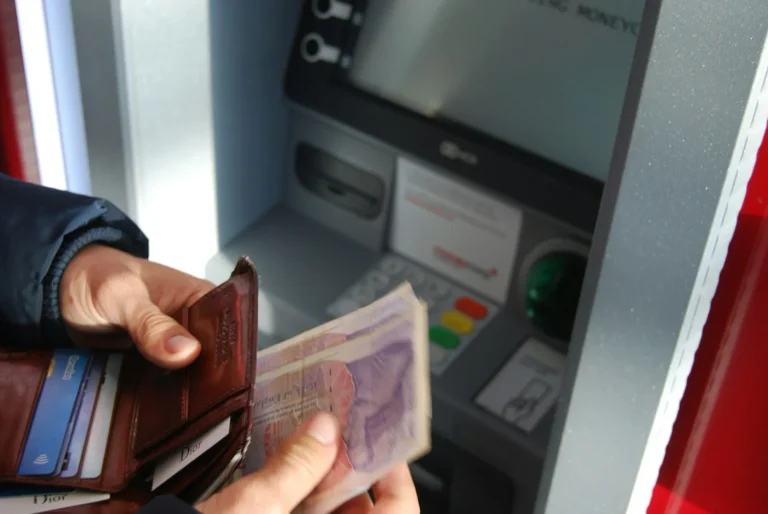
Call your internet provider and ask for a lower rate. Shop around for car insurance. Switch to a cheaper phone plan (Mint Mobile, Visible, and similar carriers offer plans for $15-30 a month that work on the same networks as the big carriers).
These are one-time actions that create ongoing savings. Spending an hour on the phone to save $40 a month on internet is $480 a year. That alone gets you nearly halfway to your first $1,000.
Reduce your grocery spending
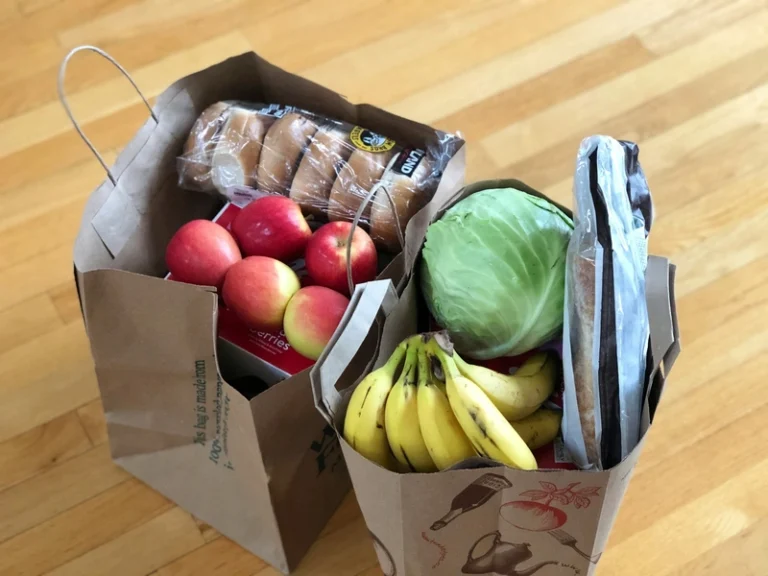
This doesn’t mean eating less. It means eating differently. Meal planning, buying store brands, shopping at discount grocers like Aldi, and cooking from scratch more often can cut a family’s grocery bill by 20-30%.
If your household spends $800 a month on groceries, a 25% reduction saves $200 a month. That’s your emergency fund funded in five months. For practical tips on this, check out how to save money on groceries without couponing.
Use the “found money” method
Any unexpected income goes straight into the emergency fund. Tax refunds, birthday money, cash back from credit cards, rebates, overtime pay, that $20 you found in a coat pocket – all of it.
This isn’t a primary strategy, but it accelerates progress. And it builds the habit of treating windfalls as savings, not spending money.
What’s the Best Way to Automate Emergency Savings?
Automation is the single most important thing you can do. Willpower-based saving doesn’t work for most people, because there’s always something else that needs the money.
Here’s the simplest setup:
- Open a separate savings account. Ideally a high-yield savings account at a different bank from your checking account. The slight inconvenience of transferring money back makes you less likely to dip into it.
- Set up an automatic transfer. Schedule it for the day after payday. Even $25 per paycheck adds up to $650 a year. Fifty dollars per paycheck gets you to $1,300.
- Treat the transfer like a bill. It’s not optional. It’s not something you do “if there’s money left.” It goes out automatically, just like rent or a car payment.
The beauty of this approach is that you adjust your spending to fit what’s left, rather than trying to save what’s left after spending. That flip in mindset is everything.
Should You Pay Off Debt or Build an Emergency Fund First?
This is one of the most debated questions in personal finance, and there’s no perfect answer. But here’s a practical one: build a small emergency fund first – $1,000 – then attack your debt aggressively.
Why?
Because without any savings cushion, the next emergency goes straight onto a credit card. You end up in a cycle where you pay down debt, hit a surprise expense, take on new debt, and never get ahead. Having $1,000 in the bank breaks that cycle.
Once you’ve got your initial cushion, throw everything at your highest-interest debt. Then, after the debt is cleared, go back and build the full three-to-six-month fund.
If you’re working on debt right now, the post on how to pay off debt when you’re living paycheck to paycheck lays out a solid plan.
Where Should You Keep Your Emergency Fund?
Your emergency fund needs to be two things: safe and accessible. That rules out investing it in the stock market (too volatile) and keeping it in cash at home (too risky and no interest).
The best options:
- High-yield savings account (HYSA). This is the top choice for most people. Online banks like Marcus, Ally, and Discover offer accounts with competitive interest rates and no fees. Your money earns interest while staying completely liquid.
- Money market account. Similar to a HYSA with slightly different features. Some offer check-writing privileges, which can be handy in an emergency.
- Regular savings account. Not ideal because interest rates are much lower, but it’s still better than nothing. If your current bank offers a savings account, it works as a starting point.
Avoid putting emergency money in CDs (certificates of deposit) unless you’re using a CD ladder strategy, because early withdrawal penalties defeat the purpose.
What Counts as a Real Emergency?
This is where a lot of emergency funds get raided for non-emergencies. A sale at your favorite store isn’t an emergency. A vacation deal isn’t an emergency. Your friend’s destination wedding is not an emergency (even though it feels like one).
Real emergencies include:
- Job loss or significant reduction in income
- Medical or dental bills not covered by insurance
- Car repairs needed to get to work
- Home repairs that affect safety or livability (burst pipe, broken furnace)
- Emergency travel for a family crisis
For everything else – car registration, holiday gifts, annual insurance premiums – build those into your regular budget as sinking funds. These are predictable expenses, not emergencies, and they shouldn’t come out of your emergency fund.
What If You’ve Tried Before and Failed?
First, that’s normal. Building savings is hard when money is tight, and setbacks are part of the process.
If you’ve tried and failed, look at what went wrong. Usually, it’s one of these:
- The goal was too big. Saving $10,000 feels impossible when you’re starting from zero. Drop the target to $500, then $1,000, then keep building.
- There was no automation. If you relied on manually transferring money, life got in the way. Automate it.
- You dipped into it for non-emergencies. Put the money in a separate bank – not just a separate account at the same bank. The extra step of transferring between banks creates enough friction to make you think twice.
- You tried to do everything at once. Paying off debt, saving for emergencies, investing, and overhauling your budget all at the same time is overwhelming. Focus on one thing first.
The fact that you’ve tried before actually means something. It means you know saving matters. The only missing piece is a system that works.
A Simple 6-Month Plan to Build $1,000
| Month | Action | Savings Added |
|---|---|---|
| 1 | Audit and cancel unused subscriptions | $30-50 |
| 2 | Negotiate internet, phone, and insurance bills | $40-80 |
| 3 | Start meal planning and switch to store brands | $100-200 |
| 4 | Sell unused items around the house | $100-300 |
| 5 | Automate $50 per paycheck into HYSA | $100 |
| 6 | Continue automation + redirect any windfalls | $100+ |
By month six, most people following this plan will have $500-$1,000 saved. That’s real progress, and it builds momentum for the next phase.
An emergency fund doesn’t get built in a week. But it doesn’t take years either. Start today with whatever you can – even if it’s $20. Open a separate account, automate a transfer, and let the habit do the heavy lifting.
FAQ
How much should you have in an emergency fund?
Most financial experts recommend three to six months of essential living expenses. For a household spending $3,000 a month on necessities, that’s $9,000 to $18,000. However, even $1,000 provides meaningful protection against the most common financial emergencies and is a great first target.
Can you build an emergency fund on minimum wage?
Yes, though it takes longer and requires more aggressive cost-cutting. Focus on automating even tiny amounts ($10-25 per paycheck), reducing your biggest expenses, and redirecting any unexpected income into savings. Progress will be slower, but every dollar saved still provides more security than zero.
Is a high-yield savings account safe for an emergency fund?
Yes. High-yield savings accounts at FDIC-insured banks are just as safe as regular savings accounts – the federal government insures deposits up to $250,000 per depositor, per bank. The only difference is you earn significantly more interest, which helps your fund grow faster.
Should you invest your emergency fund?
No. Emergency funds need to be liquid and stable, meaning you can access them immediately without risking losses. The stock market can drop 20% in a month, which is exactly the wrong time to need the money. Keep your emergency fund in a high-yield savings account and invest separately for long-term goals.
How do you stop dipping into your emergency fund?
Keep it in a separate bank from your everyday checking account. The friction of transferring between banks (which typically takes 1-2 business days) makes impulse withdrawals harder. Also, clearly define what qualifies as an emergency so you’re not tempted to use the fund for non-urgent expenses.