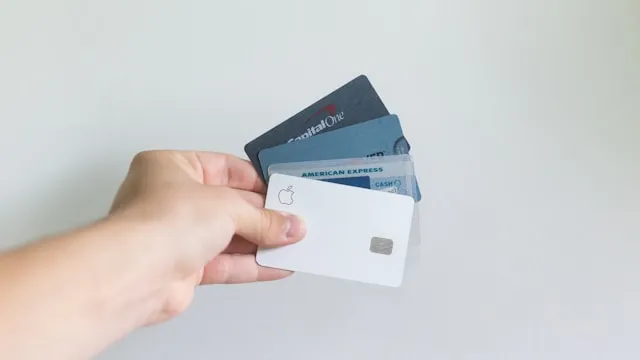
10 Money Habits That Will Change How You Think About Spending
These ten money habits aren’t about extreme frugality or cutting out everything fun. They’re about small shifts in how you handle your money that, over time, completely change your relationship with spending. Some of them take five minutes. Others are just a different way of thinking about a purchase before you make it. All of them work.
The thing about spending habits is that most of them run on autopilot. You swipe the card, tap the app, and don’t think twice. But once you start paying attention – even a little – the results can be surprising.
Key Takeaways:
- Awareness beats willpower every time. Most overspending happens because people don’t track where their money actually goes. Simply knowing the number changes behavior.
- Small daily choices compound fast. A $5 daily habit costs $1,825 a year. Tiny spending decisions add up in ways most people don’t realize until they do the math.
- Automate the good stuff first. Moving savings and debt payments to autopilot removes the temptation to skip them. What’s left over is genuinely yours to spend.
Why Do Spending Habits Matter More Than Income?
Because earning more doesn’t automatically fix bad spending patterns. In fact, it often makes them worse.
There’s a well-documented phenomenon called lifestyle creep – as income rises, spending rises to match it. That’s how people earning six figures can still feel broke. According to a Bank of America Institute report, nearly 24% of U.S. households were living paycheck to paycheck in 2025, with necessity spending exceeding 95% of their income. And that includes middle- and higher-income households, not just lower earners.
So the habits matter more than the number on your paycheck. Getting this right means your money actually works for you, regardless of what you earn.
Habit 1: Track Every Dollar for One Month
This is the single most effective thing anyone can do to change their spending. Not forever – just for one month.
Pull up your bank statements and categorize everything. Groceries, eating out, subscriptions, gas, random Amazon purchases, coffee. All of it. The goal isn’t to judge yourself. It’s to see the full picture.
Most people are genuinely shocked when they do this. That $15 here and $20 there? It adds up to hundreds per month. The awareness alone is usually enough to shift behavior without any strict rules.
If you haven’t already, building a monthly budget is the natural next step after this exercise. But start with tracking – it’s the foundation everything else is built on.
Habit 2: Use the 24-Hour Rule for Non-Essential Purchases
Before buying anything non-essential over $30, wait 24 hours.
That’s it. If you still want it tomorrow, go ahead and buy it. But you’d be amazed how often the urge passes. Most impulse buys are driven by emotion – excitement, boredom, stress – and a short delay breaks that cycle.
This doesn’t mean you never buy fun things. It just means you buy them intentionally rather than reactively. There’s a big difference between “I chose to buy this” and “I don’t even remember adding this to my cart.”
For bigger purchases ($100+), stretch the rule to a week. The bigger the price tag, the more time you should give yourself to think.
Habit 3: Automate Your Savings Before You See the Money
Pay yourself first. It’s old advice because it works.
Set up an automatic transfer on payday – even $25 or $50 – that moves money into a separate savings account before you have a chance to spend it. When savings happen automatically, you adjust your spending to what’s left over. And that adjustment happens almost without effort.
The reverse approach – spending first and saving what’s left – almost never works. Because there’s usually nothing left.
Start small if you need to. The amount matters less than the consistency. After a few months, bump it up by $10 or $20. You probably won’t even notice the difference in your daily life, but your savings balance will.
Habit 4: Audit Your Subscriptions Regularly
Subscriptions are designed to be invisible. That’s the entire business model – charge a small amount monthly and hope people forget.
According to a C+R Research survey, about 74% of U.S. adults underestimate their subscription spending, often by significant margins. That disconnect between what people think they pay and what they actually pay is where the money leaks.
Here’s what to do: pull up your credit card or bank statement, search for every recurring charge, and write them all down. Streaming services, apps, gym memberships, software, meal kits, that thing you signed up for during a free trial six months ago. Then ask yourself a simple question for each one: “Did I use this in the last 30 days?”
If the answer is no, cancel it. You can always resubscribe later if you genuinely miss it. But most people don’t.
Do this audit every three to four months. New subscriptions creep in faster than you’d expect.
Habit 5: Assign Every Dollar a Purpose
This is sometimes called zero-based budgeting, and it’s one of the most powerful spending habits you can build.
Zero-based budgeting is a method where your income minus your planned spending equals zero. Every dollar has a job – whether that’s rent, groceries, savings, or fun money. Nothing sits unassigned.
This doesn’t mean you spend everything. It means you plan everything, including the money that goes to savings or debt repayment. If you earn $4,000 and you’ve assigned $3,600 to bills, groceries, and savings, the remaining $400 is your spending money. That’s it. Once it’s gone, you wait until next month.
The beauty of this approach is that it removes guilt from spending. When you’ve already allocated money for a dinner out or new clothes, you can enjoy it without that nagging feeling in the back of your mind.
If you’re not sure where to start with categories, take a look at budget categories you might be forgetting. It’s easy to miss things like car maintenance, gifts, or annual subscriptions when setting up a budget for the first time.
Habit 6: Cook at Home More Often (Even Just a Little More)
Eating out is probably the single biggest discretionary expense for most households. And it’s one of the easiest to trim without feeling deprived.
Nobody’s saying you need to eat every meal at home. But swapping even two or three restaurant meals per week for home-cooked ones can save hundreds per month. A home-cooked meal costs roughly $4–5 per person on average. A restaurant meal? Closer to $15–20. That gap multiplies fast across a family over the course of a month.
You don’t need to become a chef, either. Simple meals count. Pasta with jarred sauce, grilled chicken and vegetables, tacos, soup – these aren’t glamorous, but they’re cheap, quick, and way better for your budget than ordering delivery three times a week.
For more on trimming your grocery bill itself, there are plenty of ways to save without coupons or meal prepping.
Habit 7: Use Cash (or a Fixed “Spending Account”) for Discretionary Purchases
There’s solid research showing that people spend more when using cards than when using cash. Something about physically handing over bills makes you more aware of what you’re giving up.
If cash feels old-fashioned, here’s a modern version: set up a separate checking account or debit card just for discretionary spending. Transfer a fixed amount into it each week or month. When the balance hits zero, you’re done until the next transfer.
This creates a hard boundary between your bills, savings, and your fun money. It also eliminates the mental math of trying to figure out how much you can “afford” to spend on a random Tuesday afternoon. Your spending account balance is the answer.
Habit 8: Plan Your Purchases Around Sales Cycles
Most products – clothing, electronics, appliances, even mattresses – go on sale at predictable times each year. Knowing those patterns means you can buy the same things for significantly less, just by being patient.
Here’s a quick guide:
| Item | Best Time to Buy |
|---|---|
| Winter clothing | January–February |
| TVs and electronics | Black Friday, Super Bowl week |
| Mattresses | Presidents’ Day, Memorial Day, Labor Day |
| Grills and outdoor furniture | September–October |
| Gym memberships | January, June |
| Air travel | January–February (for spring/summer trips) |
| School supplies | July (back-to-school sales) |
Obviously, if your washing machine breaks in April, you can’t wait until November. But for planned purchases, timing makes a real difference. Patience is, quite literally, money.
Habit 9: Set Spending Goals, Not Just Saving Goals
Most financial advice focuses on saving targets. Save $1,000 for emergencies. Save 15% for retirement. Those are great, but they can also feel punishing if you never define what you’re allowed to enjoy.
A spending goal works the other direction. It’s a positive target – something you’re working toward that costs money and that you’re planning to spend on. A vacation. A new piece of furniture. A nice dinner for an anniversary.
When you have a specific spending goal, it’s easier to skip small, forgettable purchases because you’re saving up for something better. That $12 lunch or $40 impulse buy becomes less tempting when you’re putting money aside for a trip you actually care about.
This reframes saving from deprivation to anticipation. And that mental shift makes all the difference for long-term consistency.
Habit 10: Talk About Money Openly
This one might be the most uncomfortable, but it’s also one of the most impactful.
Money is still a taboo topic for a lot of people. Couples avoid it. Friends don’t discuss it. Families tiptoe around it. But silence around money tends to make problems worse, because bad habits thrive in the dark.
If you share finances with a partner, having regular check-ins about spending, saving, and goals keeps you aligned. It doesn’t have to be a formal “budget meeting” – even a five-minute chat over coffee once a week can keep things on track. If those conversations feel awkward or tense, that’s actually a sign they’re overdue. We’ve written about how to talk to your partner about money in more detail if that’s something you’re working through.
Beyond your partner, being more open about money with friends or family can reduce the pressure to keep up appearances. You don’t have to share your salary. But being honest about your priorities – “We’re saving for a house, so we’re skipping the expensive dinner” – takes away the awkwardness and often inspires others to do the same.
How Long Does It Take to Build Better Spending Habits?
Research on habit formation varies, but most studies suggest it takes somewhere between 30 and 90 days for a new behavior to feel automatic. The exact timeline depends on the complexity of the habit and how consistently you practice it.
The good news is that financial habits tend to reinforce themselves. Once you start tracking your spending, you naturally start spending less. Once you automate savings, you stop thinking about it. One good habit leads to another.
Don’t try to implement all ten at once. Pick two or three that feel most relevant to your situation, give them a month, and build from there. Progress beats perfection every time.
FAQ
What is the easiest money habit to start with?
Tracking your spending for one month is the simplest and most impactful starting point. It requires no lifestyle changes – just awareness. Most people find that once they see where their money actually goes, they naturally begin making better choices without needing strict rules.
How much should you spend on non-essential items each month?
A good guideline is the 50/30/20 rule: 50% of after-tax income on needs, 30% on wants, and 20% on savings and debt repayment. That 30% for wants is your discretionary spending ceiling. However, the right percentage depends on your income, debt levels, and financial goals.
Can small daily purchases really affect your finances that much?
Absolutely. A $7 daily coffee-and-snack habit adds up to roughly $2,555 per year. Even a $3 daily expense totals nearly $1,100 annually. These amounts won’t make or break anyone on their own, but combined with other small recurring expenses, they represent a significant chunk of potential savings.
What’s the best way to stop impulse buying?
The 24-hour rule is the most effective and practical method. When you feel the urge to buy something unplanned, wait a full day before purchasing. Studies consistently show that delaying a purchase dramatically reduces the likelihood of following through, because the emotional trigger fades.
How often should you review your budget and spending habits?
At minimum, once a month. A quick monthly review of your bank statements against your budget categories takes about 15–20 minutes and keeps you on track. For subscription audits and bigger financial check-ins, a quarterly review works well. The key is consistency – a rough monthly review beats a detailed annual one.
Start with one habit this week. Just one. Give it a real shot for 30 days and see what changes. Good money habits don’t require willpower forever – they just need a solid start and a little bit of patience.